Osteopathy and pregnancy: natural support for a better maternity experience
Close to 12% of initial osteopathy consultations are due to pain or discomfort during pregnancy or for postnatal follow-up of the newborn (1).
WHAT IS OBSTETRIC OSTEOPATHY?
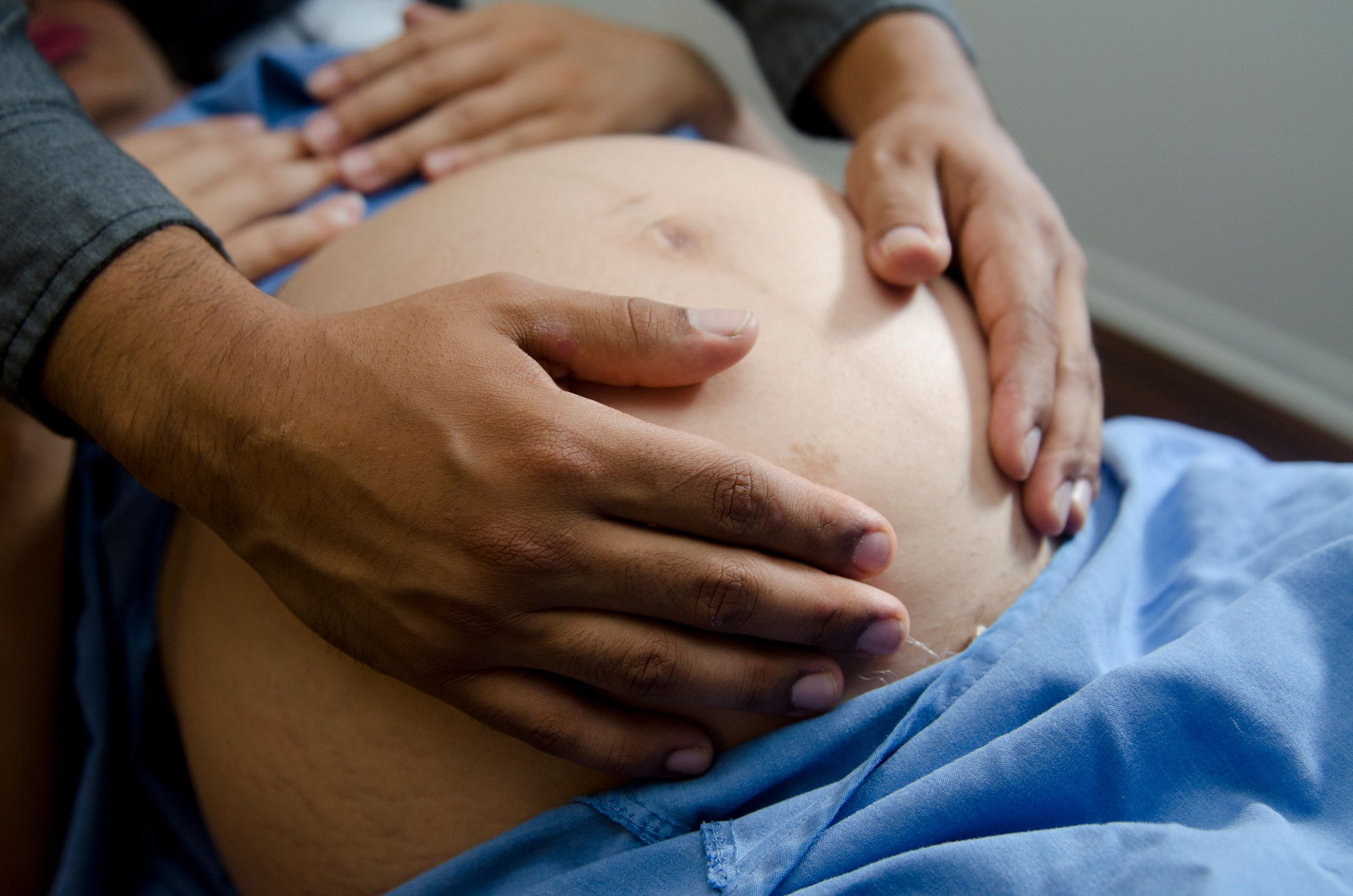
Obstetric osteopathy is a form of osteopathy for pregnant women. During pregnancy, a woman undergoes many hormonal and physical changes in order to maintain and successfully carry her pregnancy to term. Consequently, an osteopath can help maintain good mobility throughout the body during these significant changes.
HOW DOES AN OBSTETRIC OSTEOPATHY SESSION PROCEED?
Firstly, the osteopath will conduct a questionnaire and discuss with you to gather the necessary information and understand your needs. Subsequently, they will perform a comprehensive evaluation in order to assess the mobility of certain body regions and to analyze the issue. Using gentle but precise therapeutic manipulations, the osteopath will perform techniques suitable for pregnant women based on their history, request, and progression in the pregnancy. The techniques will provide muscle and ligament relaxation which will help the body regain better mobility. This can therefore assist with the discomfort felt and also in preparation for childbirth. Finally, the osteopath can offer you advice and/or exercises with the aim of optimizing the treatment.
WHEN TO CONSULT?
During pregnancy, the spine is constantly adjusting in relation to the development of the fetus. The curvatures of the spine are thus adapting in proportion to the increase in the volume of the uterus. Since this is new for the body, it can lead to an imbalance and generate, for example, a lower back pain as 25 to 56% of pregnant women (2). Several other discomforts may be felt. It may then be relevant to consult an osteopath in the following cases:
- Sciatica (pain involving the sciatic nerve)
- Lower back pain (pain in the lumbar region)
- Pubalgia (pain in the pubic symphysis)
- Cervicalgia (neck pain)
- Groin pain
- Gastric reflux
- Costalgia (rib pain)
- Carpal tunnel
- Headaches
- Postural discomfort
- Sleep disorders
- Etc.
Additionally, even without pain, it might be beneficial to seek consultation before childbirth. This would be to promote good pelvic mobility to ease the fetus's passage during delivery and even to release diaphragm tension, the main muscle used for breathing. It could then be advisable to seek consultation in the second and third trimesters of pregnancy.
With the aim of preparing for childbirth, it may also be beneficial to receive advice and exercises through the childbirth preparation physiotherapy service. This session will cover the teaching and practice of different types of pushing and positions for labor. In addition, advice will be provided to the partner to assist you during childbirth.
HOW MANY SESSIONS WILL BE REQUIRED?
Osteopathy treatments generally yield very good results for the consultation reasons listed above. Although each individual is different and responds differently to treatments, in many cases, a treatment per quarter is sufficient for maintenance. For women with more acute pain, the number of sessions may vary depending on the symptoms and the relief provided during treatment. In this sense, sometimes more than one session is necessary to properly release tensions and increase mobility in the targeted areas. An osteopath can guide you more precisely on this matter.
IS TREATMENT RELEVANT AFTER CHILDBIRTH?
Pregnancy and childbirth cause a lot of changes and impacts on a woman's body. Osteopathic treatment can help rebalance and increase mobility in the pelvic and back areas. Starting from 4 weeks after childbirth, the osteopath can see you to assist with issues such as :
- Sciatica (pain involving the sciatic nerve)
- Lower back pain (pain in the lumbar region),
- Pubalgia (pain in the pubic symphysis)
- Cervicalgia (neck pain)
- Back pain
- Breastfeeding difficulties
- Cesarean scar adhesion
- Etc.
Did you also know that starting from 6 weeks after childbirth, it could be beneficial to have postnatal pelvic floor physiotherapy ? This follow-up in the postpartum period could help you with resuming physical activity, assist in case of pain (back, pelvis, hip, pubic symphysis, coccyx, etc.), urinary and/or fecal incontinence, etc.
DID YOU KNOW THAT THE NEWBORN CAN HAVE ACCESS TO CARE?
Pediatric osteopathy and pediatric physiotherapy can help your baby with issues such as torticollis, plagiocephaly, digestion, colic, motor development, etc. Finally, it's good to know that osteopaths and physiotherapists often work in a complementary manner.
BIBLIOGRAPHIC REFERENCES
- Morin C, Aubin A (2014) Primary Reasons for Osteopathic Consultation: A Prospective Survey in Quebec. PLoS ONE 9(9): e106259. doi: 10.1371/journal.pone.0106259 PMID: 25184204
- Briex, M. (2010). Osteopathy in maternity. Spiral, 55, 174-176. https://doi.org/10.3917/spi.055.0174 (https://doi.org/10.3917/spi.055.0174)
Back pain: how physiotherapy relieves lo...
Persistent lower back pain? Discover how physiotherapy can effectively relieve your backache with a ...
Lire plus...
Persistent Pain: Why Do Your Symptoms Fl...
Does your pain feel unpredictable? Discover the scientific mechanisms behind daily fluctuations and ...
Lire plus...
Beyond Recovery: Understanding Functiona...
our pain has decreased, but are you truly ready to return to your daily routine? Learn how Functiona...
Lire plus...