Moving Freely: Understanding the Vital Role of Physiotherapy
Physical activity, workplace demands, and everyday routines require constant adaptation from our bodies. When pain, stiffness, or injury strikes, personal autonomy and quality of life can quickly feel compromised.
At Physio-Ostéo Globalité, our clinical mission is to help you regain your full movement potential. As an essential healthcare discipline, physiotherapy is designed to help individuals recover and optimize their physical capacities, enabling a safe and confident return to daily activities, work, sports, and recreation.
A Comprehensive Approach Beyond the Musculoskeletal System
While physiotherapy is commonly associated with ankle sprains, backaches, or muscle tightness, its clinical scope addresses physical limitations across multiple vital systems:
- Muscles, Joints, and Bones: Sprains, strains, tendinopathies, fractures, osteoarthritis, and joint stiffness.
- Neurological System: Post-stroke rehabilitation, spinal cord injuries, peripheral nerve damage, and neurodegenerative conditions (such as Parkinson’s disease).
- Respiratory System: Optimizing respiratory mechanics, breathing patterns, and lung clearance.
- Circulatory and Cardiac Systems: Cardiovascular reconditioning, exercise tolerance, and improving peripheral circulation.
The Power of Interprofessional Collaboration
Modern rehabilitation relies on teamwork. Physiotherapy professionals work closely with an extended interdisciplinary team: osteopaths, kinesiologists, occupational therapists, acupuncturists, physicians, and social workers. Combining these complementary areas of expertise ensures a holistic evaluation of your condition and accelerates a sustainable return to active living.
Two Complementary Professions Dedicated to Your Recovery
In Quebec, physiotherapy care is delivered by two distinct professionals regulated by the Ordre professionnel de la physiothérapie du Québec (OPPQ):
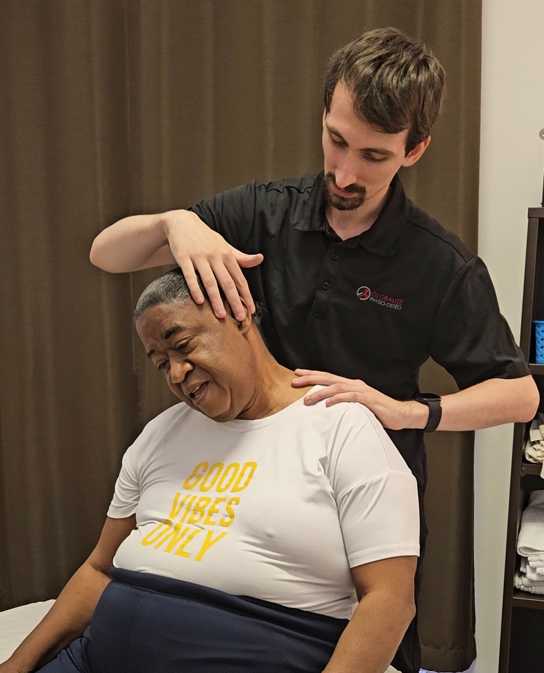
- The Physiotherapist:Conducts comprehensive clinical assessments (joint mobility, muscle strength, endurance, posture, reflexes, and motor control) to establish an accurate physical therapy diagnosis. They then develop an individualized treatment plan tailored to your personal goals.
- The Physiotherapy Technologist (T. phys.):Working with children, adults, seniors, athletes, and injured workers, their primary objective is to restore physical capacities and enhance autonomy as efficiently as possible. Following the initial medical or physiotherapy assessment, they implement the treatment plan, closely monitor progress, adapt therapeutic exercises, and provide actionable advice on posture and lifestyle habits.
When and Why Should You Consult?
You should consider consulting as soon as physical discomfort or limitations interfere with your movement or daily routine. Common reasons include:
- Chronic and Degenerative Pain: Osteoarthritis, lower back pain (sciatica, lumbago), and neck pain.
- Trauma and Accidents: Workplace injuries (CNESST), motor vehicle accidents (SAAQ), and concussions.
- Musculoskeletal Injuries: Tendonitis, muscle tears, bursitis, and adhesive capsulitis (frozen shoulder).
- Balance and Vestibular Issues: Vertigo, dizziness, gait instability, and fall prevention.
- Pelvic and Perinatal Health: Pelvic floor discomfort and pregnancy-related pain.
- Pediatric Development: Motor development delays or physical conditions in children.
Treatment Modalities Used in Clinic
To stimulate tissue healing and restore functional capacity, your personalized care plan may combine several modalities:
- Manual Therapy: Joint mobilizations, gentle traction, and soft tissue release techniques.
- Therapeutic Exercises: Targeted strengthening, mobility, stretching, and motor control training.
- Electrotherapy: Ultrasound, TENS, or laser therapy to manage acute pain and reduce local inflammation.
- Thermotherapy and Hydrotherapy: Strategic application of heat or ice, as well as aquatic exercises.
What to Expect During Your Initial Visit
Your first session establishes a clear foundation for your recovery:
- Initial Consultation: A detailed discussion of your symptoms, medical history, imaging reports, and how the condition affects your daily life.
- Physical Evaluation: Targeted mobility, stability, and strength tests to uncover the biomechanical root cause.
- Care Plan: A transparent explanation of your condition and collaborative goal setting.
- Immediate Recommendations: Hands-on treatment and clear home exercises given during your first visit to start feeling relief right away.
Active patient participation is key: understanding your condition, applying clinical advice, and sticking to recommended exercise dosages will ensure the best possible outcome.
Prevention: Taking Action Before Pain Takes Hold
You do not need to be injured or in severe pain to consult a physiotherapy professional. Preventive assessments help:
- Identify muscle imbalances before they turn into chronic issues;
- Guide individuals starting a new sport or optimize mechanics for seasoned athletes;
- Prevent balance loss and reduce fall risks in aging adults;
- Improve workplace ergonomics to minimize repetitive strain injuries.
“A healthcare professional will be able to evaluate your specific situation and design a treatment plan tailored to your needs and recovery goals.”
Take control of your physical well-being and move with confidence under the guidance of our clinical experts.
📅 Book an online appointment today at our clinic.
Source: Ordre professionnel de la physiothérapie du Québec (OPPQ).

Back pain: how physiotherapy relieves lo...
Persistent lower back pain? Discover how physiotherapy can effectively relieve your backache with a ...
Lire plus...Persistent Pain: Why Do Your Symptoms Fl...
Does your pain feel unpredictable? Discover the scientific mechanisms behind daily fluctuations and ...
Lire plus...
Beyond Recovery: Understanding Functiona...
our pain has decreased, but are you truly ready to return to your daily routine? Learn how Functiona...
Lire plus...